
Applying the interdependence principle, given the relevant public’s average level of attention, even assuming an enhanced degree of distinctiveness of the earlier mark, the, at most, low degree of visual and aural similarity and conceptual dissimilarity found between the signs, the Board concludes that, there is no reason to assume that the relevant public would perceive the marks as having the same commercial origin even for identical goods. Thus, there is neither a likelihood of confusion nor association on the part of the relevant public and any consideration of the impact of imperfect recollection on that public’s perception and whether the goods are purchased in a physical shop with the assistance of professionals or on the Internet or by phone would not change that conclusion.
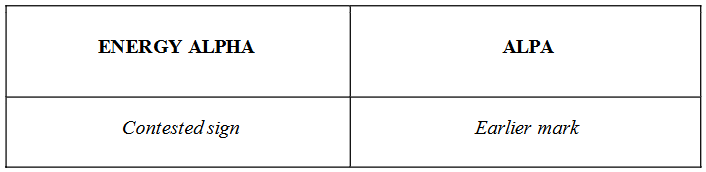
EUIPO > Opposition > First Board of Appeal > 26/01/2026, R 1755/2025-1, ENERGY ALPHA / ALPA et al.
□ interdependence:相互依存、持ちつ持たれつの関係
□ enhance:高める、強化する、向上させる、増進する
□ at most:せいぜい、たかだか、多くて
□ on the part of ~:~の側の、(人)の方では
□ physical shop:実店舗
同一商品に付されても、需要者が両商標の出所を同一と認識するとは想定し難い - 4
関連公衆の平均的な注意力を前提に、相互依存の原則を適用すると、先行商標の識別力の程度が相当高いと仮定しても、両商標の外観及び称呼の類似性の程度はどう見ても低く、概念上非類似と認められることから、当審判部は、両商標が同一商品に付されても、需要者が両商品の出所を同一と認識するとは想定し難いとの結論に至った。したがって、関連公衆において出所混同のおそれや誤認はなく、需要者の曖昧な記憶がその認識に与える影響や、指定商品が専門家の助言を得て実店舗で購入されたり、インターネットや電話で購入されるかといった事情を考慮しても、この結論が変わるものではない。

interdependence principle
「interdependence principle」(相互依存の原則)は、出所混同のおそれ(likelihood of confusion)を評価する際に用いられる概念です。複数の評価指標について、それぞれの程度を先ず評価し、その後、指標ごとの程度(数値)を並べ、例えば、指標Aの数値が高くても、指標Bの数値が低ければ、相互依存の考え方から両数値は相殺され、指標AとBの数値はプラマイゼロと評価されます。