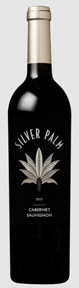
Because there are no price restrictions in the parties’ identifications of goods, we must contemplate their wine can be sold at all price points.
In other words, we must consider the parties’ goods to include “less expensive wine sold to ordinary consumers through liquor stores, grocery stores, supermarkets, drug stores and the like.” Under such circumstances, consumers are prone to making ‘impulse purchasing’ decisions.
“When products are relatively low-priced and subject to impulse buying, the risk of likelihood of confusion is increased because purchasers of such products are held to a lesser standard of purchasing care.”
□ contemplate:熟考する、じっくり考える
□ price points:価格帯 (cf.「price point」:消費者が買いそうな、商品が売れそうな価格)
□ in other words:言い換えれば、換言すれば、つまり
□ prone to: ~する傾向がある、~しがちである
□ subject to:~にさらされる、~を被る、~の影響を受けやすい
ワインにおける商標「GOLD PALM」と「SILVER PALM」は、出所混同のおそれあり - 2
当事者(出願人及び異議申立人)の指定商品は価格が制限されていないため、当事者のワインがあらゆる価格帯で販売される可能性を慎重に検討しなければならない。言い換えれば、当事者の商品には、「酒類販売店、食料品店、スーパーマーケット、ドラッグストア等を通じて一般消費者に販売される低価格ワイン」が含まれることを考慮する必要がある。このような状況下では、需要者は「衝動買い」によって決める傾向がある。
「商品が比較的低価格で、且つ、衝動買いの対象となる場合、当該商品の需要者は、購入時の注意力が低下するため、出所混同のおそれのリスクは高まる。」

When products are relatively low-priced and subject to impulse buying, the risk of likelihood of confusion is increased because purchasers of such products are held to a lesser standard of purchasing care.
この考え方は、日本の審決・判決でも支持されています。「衝動買い」の英語表現が「impulse buying(purchasing)」というのも面白いですが、個人的に、衝動買いをするタイプではないので、「impulse」がどういうものなのか、実感が湧かないのが残念です。モノが少ない時代であれば何となく理解できますが、モノが溢れ、ネットが使える現在でも通用する消費者行動と捉えて良いのか、多少疑問ではあります。