
26/03/2025, T‑1096/23, RED, EU:T:2025:330
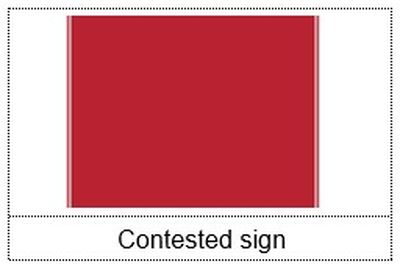
- The General Court (GC) points out that the perception of the public is not the same for a colour combination as it is for a word or figurative mark.
- According to the GC, a colour combination must contain elements that are capable of distinguishing it from other colour combinations and of attracting the consumer’s attention.
- In the present case, a combination of colours, even if used in a precise and systematic arrangement in a predetermined and uniform way, is as such not sufficiently distinctive for it to be allowed to be registered.
- The use of the colours red and white is common in the market of baked goods and confectionery.
- Therefore, their combination does not enable the relevant public to perceive the sign applied for as an indication of commercial origin.
- In addition, the colour combination of red and white is likely to create visually appealing packaging or to be used for advertising or promotional purposes to attract the relevant public’s attention.
□ color combination (=combination of color):色の組み合わせ
□ lack distinctive character:識別機能を欠く
□ not the same as~:~と同じでない
□ be capable of ~ing:~することができる
□ distinguish A from B:AとBを識別する
□ the sign applied for:出願された標章(サイン)
□ an indication of commercial origin:(商品・役務の)出所表示
□ relevant public:関連公衆(国内では、「本願指定商品・役務の需要者」の方をよく使います)
赤と白の色の組み合わせは、焼き菓子や菓子類との関係において、自他識別力を欠く
- 欧州一般裁判所(GC)は、色の組み合わせに対する一般の人々の認識は、文字商標や図形商標に対する認識とは異なると指摘した。
- 裁判所によれば、色の組み合わせ自体が、他の色の組み合わせと区別でき、且つ、消費者の注意を引き付けることができる要素を含む必要がある。
- 本件において、白と赤の2色の組み合わせが、たとえあらかじめ決められた一定の態様で正確かつ体系的に使用されているとしても、そのことをもって、登録に値する十分な識別力が認められるものではない。
- 赤と白の色の組み合わせは、焼菓子や菓子類の取引において一般的に使用されている。
- したがって、当該色の組み合わせを見ても、本願指定商品に係る需要者は、本願商標の出所を表示したものと認識することができない。
- 加えて、赤と白の色の組み合わせは、商品パッケージの視覚的な魅力を作出したり、需要者の関心を引き付ける広告や宣伝目的で使用される可能性が高い。

enable the relevant public to perceive the sign applied for as an indication of commercial origin
「A enable B to ~」は、『AがBに~することを可能にする』という意味の英語表現です。
この文章では、Bに「relevant public」(関連公衆)が、toの後に「perceive the sign applied for」とあります。「perceive」は『(目や耳などの感覚で)~に気づく』の意味で、商品等に付された商標を目にした需要者が、出所表示と認識できるか、という場面でよく使われます。
「the sign applied for」は『出願されたサイン(標章)』の意味します。商標は「trademark」ですが、商品等に付された表示が全て商標(=特定の事業者の出所表示)とは言い切れませんので、概念として区別して表す場合に、signやindicationの語が使われます。
最後の「indication of commercial origin」は、『事業者の出所表示』を意味する英語表現で、商標の識別力が議論になる場面では、頻繁に出てきます。